Germinating the seeds
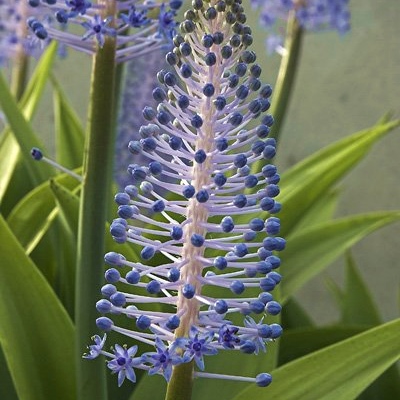
Soil -- The soil should be fast draining. A typical mix is 2 parts potting soil to 1 part perlite or pumice rock. An alternate mix is 1 part coir fiber to 1 part perlite, with some slow-release fertilizer added. Pot size - You may plant the seeds in individual pots, or in a communal pot. If you use a communal pot, plant the seeds 3 inches (7 cm) from each other and 2 inches (5 cm) from the edge of the pot. If you use single pots, use ones about 3 inches (8 cm) wide. The pot(s) should be about 3-4 inches tall (7-10 cm) and have drainage holes. Before planting the seeds, soak them in water for about 12 hours (not more than 24 hours). Fill the pots with the soil mix and water it until it is evenly moist (but not soggy). Place the seeds down and cover with ¼ inch (5 mm) of soil, then lightly water the top soil. Until the seeds sprout, make sure the top soil layer doesn't dry out. They sprout best between about 65 and 77° F (15-25°C). A little cooler at night is ok. Avoid letting them get above 80° F (27°C) for prolonged periods. I recommend placing a minimum/maximum thermometer near the pots, especially if using a heating mat. The seeds should begin sprouting in about 4 to 6 weeks, but may take up to 12 weeks. Lighting -- Once your seeds sprout, move them to a bright spot, with protection from strong afternoon sun. You may use a fluorescent bulb kept a few inches (10 cm) away, although they will need stronger lighting when they are a few months old. Watering: Aim to the keep soil evenly moist throughout the growing season. Avoid letting it dry out completely, but also avoid keeping it soggy. Feeding -- This species has moderate to average fertilizer requirements. Feed about every 2-3 months with an all-purpose fertilizer, following the dosage on the package. Climate -- Scilla maderensis comes from a cool, maritime climate and is untested in warmer climates. It is accustomed to temperatures between 45 and 80 degrees F (7-27° C) during the growing period of October to May (April to November in the Southern hemisphere). Consider it experimental in warmer climates, especially if nights are warm. In warm conditions, shade it from strong afternoon sun. The plant reportedly is not frost hardy and declines below 40 degrees F (5° C). Dormancy -- During the summer, it sometimes doesn't go dormant, although it may shed some or all of its leaves. If it goes dormant or appears to be semi-dormant, reduce watering and stop feeding until new growth appears in Autumn. Don't let the soil dry out completely, because the bulb keeps its roots while dormant, unlike some other bulbs. Repotting -- Try to let the plant grow undisturbed in its pot the first 9-12 months, so it grows quickly. Then repot to a larger container, preferably in the summer, when growth is slowest. If the plant has its leaves then, shade it from strong sun for 3-4 weeks after repotting. Pests to watch for - Mealy bugs might attack the bulbs indoors. To control mealybugs, try using an insecticidal soap soil drench. Have fun growing them! - Jeff Strange Wonderful Things
|
|||||||||