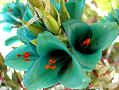
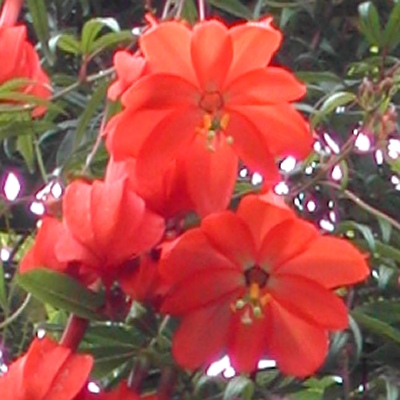
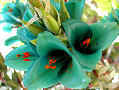
Growing tips Getting started -- I recommend giving it bright, filtered light the first two weeks after transplanting it, then give it 1-2 hours of weak sun. Increase the sun a little each week, watching for possible burning. Pot size -- You can transfer your plant to a 1-2 quart container. Soil -- Like most Passifloras, this one likes moist, fertile soil that drains well. A typical mix is 2 parts potting soil to 1 part perlite. Potting up -- Transplant carefully to avoid breaking apart the soil ball, which can damage the roots. Don't compact the soil down after transplanting - simply water it thoroughly. Don't fertilize the first 10 days after transplanting. Watering -- Keep the soil evenly moist, but not constantly soggy. The first month, ensure that the original soil ball stays moist, not just the new soil. Temperature & humidity -- This species is happiest between 45 and 75 degrees, with cool nights (below 65). It can lag when temperatures rise above the mid 80s, and might be injured from consistently hot temps, especially if nights are warm. Unless you live along the coast of California, you might need to grow it in an air-conditioned room that's kept in the 60s or 70s during the day, and 50s-60s at night. Over about 40% humidity is best. Outdoors, protect the plant from all frost. Light -- P. parritae likes mostly sunny conditions. The vine likes to weave in and out of a tree, trellis, or similar structure, which will give it some shade. Protect it from hot afternoon sun. To keep the roots cool in warmer climates, keep the pot shaded, perhaps by placing it inside a second pot made of clay. Trellising -- The vine can potentially grow quite long, however it is easily trained along a trellis or other structure as it grows. You may grow the vine horizontally if necessary, such as along the roof of a shaded greenhouse, with wires strung across the roof to give the vine something to attach to. You can prune your vine if it gets too long, but if possible, simply turn the stems around and send them in another direction. Flowering seems to happen best on long shoots, so in the second year, allow some shoots to grow uncut. If a shoot grows too long, simply wrap it back down its support structure instead of cutting it. Fertilizing -- Feed about every 2-3 months with an all-purpose fertilizer that contains micronutrients, following the dosage on the package. Flowering and fruiting -- P. parritae can start flowering in its third year. The plant is not self-fertile so it needs a second plant to make fruit, or it may be crossed with Passiflora antioquiensis, and some other Passifloras in the Tacsonia group. Pests to watch for -- spider mites (tiny "dots" under the leaves). Watch for other pests that can affect your plants. By the way, it's normal for the leaf blades to curl under. Good luck with it! - Jeff Strange Wonderful Things
|
|||||||||