Soil -- Agapetes can adapt to many soils, but it prefers a loose, well-draining soil mix that is slightly acidic and without
lime. A typical soil mix is equal parts of potting soil The first 2 weeks after repotting, shade from direct sun, and give no liquid fertilizer, but do keep the original soil ball moist (not just the surrounding soil). Light - Agapetes likes about 50% sun, with protection from strong afternoon sun. In warmer climates, keep the pot shaded, perhaps by placing inside a second pot made of clay. Watering -- Aim to keep the soil evenly moist most of the time - but not constantly soggy. Avoid letting it dry out completely. If your tap water is very high in minerals ("hard water"),
you may need to use bottled water or rainwater. If that's not practical for you, use a fertilizer for acid-loving plants, to counteract the alkalinity of
the tap water. Climate -- Agapetes enjoys mild temperatures with cool nights. It can probably survive several degrees of frost, but it's happiest with temperatures above 40°F (4°C). I recommend protecting it from frost at least the first 2 years, until it has a caudex. Indoors, over about 40-45% humidity is best. If you have any questions or problems, please contact me. Enjoy your plant! - Jeff Strange Wonderful Things
|
|||||||||

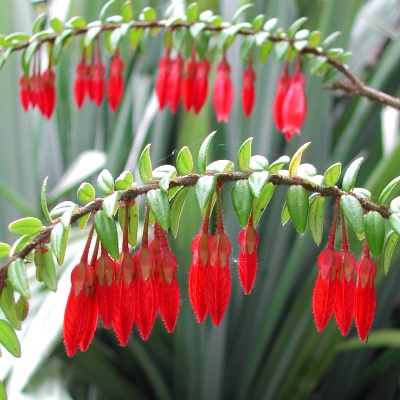
 , peat moss, perlite or pumice rock, and fine-grade orchid bark. An alternative is to use equal parts of
potting soil and perlite.
, peat moss, perlite or pumice rock, and fine-grade orchid bark. An alternative is to use equal parts of
potting soil and perlite. that contains micronutrients, following the dosage on the package.